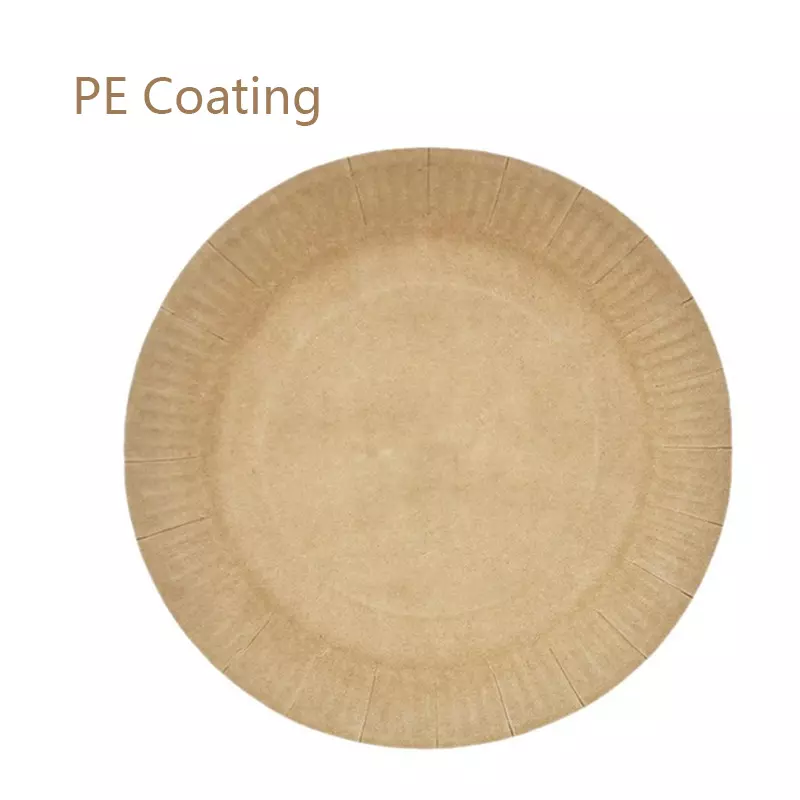
Core Overview
PE laminated paper products are a type of composite packaging material made by hot-pressing and laminating molten polyethylene (PE) plastic onto paper substrates such as white card paper and kraft paper. This mature technology endows paper with excellent moisture-proof, water-proof, oil-proof and heat-sealing performance, and has become one of the most widely used packaging solutions in the food, daily necessities and other industries over the past few decades.
Key features and advantages
1. Outstanding physical and barrier properties
High barrier properties: It offers excellent moisture-proof, water-proof and oil-proof performance, effectively extending the shelf life of food.
Strong and durable: The PE layer enhances the tensile strength, burst resistance and flexibility of the paper, making it more suitable for packaging and transportation.
Excellent heat sealing property: The PE layer is easy to be heat-pressed and sealed, with a firm seal, making it suitable for high-speed automated packaging production lines.
Good processing adaptability: It can undergo secondary processing such as printing, die-cutting and stamping to make various bags, boxes, cups and bowls.
2. Economy and maturity
Mature industrial chain: The production process is mature and stable, the global supply chain is complete, and raw materials are readily available.
High cost performance: In traditional application scenarios, it has a significant cost advantage and scale effect.
Wide recognition: Its long history of market application has made its performance and usage methods well-known to all links in the supply chain.
3. Safety and compliance
Food-grade safety: Food-grade PE particles that meet FDA, GB and other standards can be used to ensure safety when in contact with food.
Main application fields
Food and beverage packaging: disposable coffee cups, takeout boxes, hamburger wrappers, paper cups, ice cream cups, liquid packaging boxes (such as milk and juice).
Daily necessities and consumer goods packaging: cosmetic boxes, cleaning product packaging, shockproof inner linings for electronic products, shopping bags.
Industrial and special packaging: Moisture-proof labels, industrial parts packaging, agricultural seed bags.
Important environmental considerations and challenges
With the tightening of global environmental protection regulations and the popularization of the circular economy concept, PE laminated paper products are facing the following core challenges:
Non-biodegradable: PE plastic is difficult to decompose in the natural environment. If discarded, it will cause long-term pollution.
Recycling challenge: PE is closely combined with paper and is difficult to separate in the conventional waste paper recycling process. PE can clog papermaking equipment and contaminate pulp, which usually leads to its rejection or downgrading by recycling systems. Eventually, it is mostly landfilled or incinerated.
The risk of "plastic ban and restriction" : Due to global regulations such as the EU's SUP directive, some disposable PE-coated packaging products (such as tableware and cup LIDS) have been banned or taxed in many places.
Brand image risk: For brands that focus on ESG (environmental, social and governance) performance and sustainable image, continuing to use traditional PE laminated packaging may lead to negative perceptions.
Summary of Market Positioning
PE laminated paper products, as a high-performance and cost-effective traditional packaging solution, still hold an important position in applications with strict barrier requirements and cost sensitivity at present. However, its non-recyclable and non-biodegradable characteristics make it gradually become a transitional product under environmental protection regulations and the trend of sustainable consumption. The market is rapidly transforming towards recyclable and compostable alternatives, such as water-based barrier coated paper.